Navigating the SA485: Understanding Its Role in Aged Care Applications
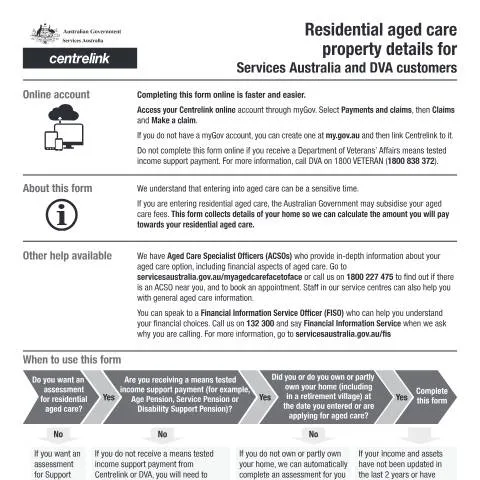
Filling out the SA485 form is a significant step for individuals seeking assistance through the Australian aged care system. It serves a crucial role in informing Services Australia and the Department of Veterans' Affairs (DVA) about the property details relevant to aged care services. This documentation is often part of a more extensive process that can significantly affect the level of support and care you receive.
Who Needs to Submit the SA485 Form?
The SA485 form is specifically designed for individuals who are receiving or are applying for residential aged care services and who have property assets that may influence their eligibility for financial assistance. The following groups typically need to complete this form:
- Individuals in Aged Care: Those currently residing in a residential aged care facility.
- Prospective Residents: Individuals planning to enter a residential aged care service.
- Veterans Seeking Additional Support: Customers of DVA who require aged care services and have property details relevant to their application.
Positioning the SA485 Within the Aged Care Process
The submission of the SA485 form is a pivotal moment in the aged care application process. It is not merely a standalone document but part of a wider framework of assessments, evaluations, and approvals necessary for obtaining the correct level of aged care support. Understanding where this form fits within the broader process will help clarify its significance.
Once you've completed the SA485 and submitted it, several critical steps follow:
- Assessment of Assets: The information provided will be assessed to determine your financial capacity to contribute to your aged care costs.
- Eligibility Determination: The submission of the SA485 informs the eligibility criteria for the aged care services you are applying for.
- Financial Care Contributions: It will also aid in calculating any potential fees or contributions that may be required from you based on your property and overall financial situation.
Clarifying Property Details Required in the SA485
When filling out the SA485, you will need to provide comprehensive details about your property holdings. This includes, but is not limited to:
- Primary Residence: Address, type, and ownership details.
- Investment Properties: Any rental or investment properties that you may own.
- Vacant Land: Details of any undeveloped land holdings.
Each of these categories plays a critical role in assessing your financial situation. It is essential to be as thorough and honest as possible in your declarations to avoid potential complications down the line.
Gathering Documentation: A Practical Guide
Preparing to fill out the SA485 form requires you to gather certain documentation that substantiates your property claims. This preparation can significantly expedite the approval process. Here’s a breakdown of the types of documents you may need:
| Document Type | Details |
|---|---|
| Property Title Deeds | Proof of ownership such as the certificate of title. |
| Rental Agreements | Any current leases for rental properties you own. |
| Mortgage Documents | Information concerning any debts against the properties. |
| Valuation Reports | Recent property valuations can help determine asset worth. |
Compiling these documents before starting your application can save you time and help ensure that all required information is available when needed.
Understanding the Submission Process
Once you have completed the SA485 and gathered your documentation, the next step is submitting your application. This process is streamlined through the myGov portal, making it more accessible than ever.
To submit your form:
- Create or Log into Your myGov Account: If you do not already have an account, you will need to create one. This will involve verifying your identity and linking to Services Australia.
- Navigating to the SA485 Form: Once logged in, the SA485 form can be found in the Services Australia's online services section.
- Complete the Form: Enter all required details accurately, ensuring that you cross-reference with your gathered documentation.
- Submit the Form: After double-checking for accuracy, you can submit your application directly through the myGov portal.
Post-Submission: What to Expect Next
After successfully submitting your SA485, you might wonder about the timeline and what follows next. Understanding the potential outcomes and timelines could alleviate some anxiety during this process.
Typically, you can expect:
- Initial Confirmation: You will receive an acknowledgment of your submission via your myGov account.
- Assessment Period: Depending on your circumstances, the assessment can vary but generally takes several weeks.
- Further Information Requests: If the assessors need additional information, they will reach out via your registered communication method.
Being proactive and responsive during this phase can help maintain momentum in your application process.
Exceptions and Special Cases in the Aged Care Framework
While the SA485 form applies to a wide range of individuals, there are specific exceptions and cases that could impact who needs to fill it out or how it is processed. For example:
- Indigenous Australians: There may be additional considerations or programs available that support Indigenous Australians in aged care.
- Individuals with Special Needs: Those who have disabilities or special requirements may have tailored processes.
- Temporary Residents: The rules regarding property reporting might differ for those on temporary visas.
It’s advisable to consult with a professional or Services Australia directly for guidance relevant to your specific circumstances, especially if you believe your situation may not fit the standard criteria.
Common Missteps and Tips for a Smooth Process
Submitting the SA485 can seem daunting, and potential pitfalls can delay your application or complicate your situation. Here are a few tips to help you avoid common missteps:
- Double-Check Information: Ensure that all entered information is accurate and consistent with your supporting documents.
- Stay Informed: Keep up to date with any changes in policy or procedures related to aged care and the SA485 form.
- Maintain Open Communication: If you receive requests for additional information, respond promptly to avoid delays.
- Consult Resources: Utilize online resources or speak to customer service representatives for any clarification needed.
By being diligent and informed, you can navigate the aged care application process more effectively, ensuring that you secure the support you need.
A Resource Hub: Further Assistance and Guidance
For those embarking on the journey of filling out the SA485 and navigating the aged care system, it’s beneficial to know where to turn for support. Various resources are available to guide individuals through this complex process:
- Services Australia: Direct inquiries can be made through their official channels for personalized assistance.
- Aged Care Navigators: Community organizations often provide free advice and support for navigating aged care.
- Legal Aid Services: For more complex legal questions, particularly regarding rights and entitlements, consider reaching out to local legal aid services.
Staying informed about your options and having access to guidance can make a substantial difference in your experience with the aged care application process.
Understanding the Different Types of Aged Care Housing Options
In Australia, aged care housing can vary significantly in terms of facilities, services provided, and levels of care. Understanding the distinctions between these housing options is crucial for Services Australia and DVA customers who may be navigating the complexities of aged care support.
Firstly, it’s important to differentiate between Residential Aged Care Facilities and Home Care Packages. Residential aged care facilities, usually referred to as nursing homes, offer full-time accommodation and care for individuals who can no longer live independently due to various health issues. These facilities typically provide 24/7 nursing care, meals, and personal assistance, with varying levels of support based on individual needs.
On the other hand, home care packages enable older Australians to remain in their homes while receiving the support they need. This can include assistance with daily activities, personal care, and even nursing support, tailored to an individual’s requirements. The government allocates levels of care ranging from Level 1 (basic care) to Level 4 (high-level care), and the specific needs will dictate the amount of funding and services available.
Another form of aged care is Short-Term Restorative Care, which is designed to help older Australians regain their independence after a hospital stay or significant health decline. This program typically lasts up to eight weeks and can include services like physiotherapy, occupational therapy, and personal care to help individuals improve their health and wellbeing.
For Services Australia and DVA customers, understanding these distinctions not only ensures that they receive appropriate services but also helps with navigating the funding options available through Medicare and other government support programs.
Eligibility and Financial Assessments for Aged Care Services
Eligibility for aged care services in Australia can be a complex area, particularly in relation to financial assessments that determine the level of contribution a client may need to make towards their care. For both Services Australia and DVA customers, the process begins with an Aged Care Assessment Team (ACAT) evaluation, which assesses the individual's care needs and determines the most suitable aged care services.
One critical aspect of eligibility relates to the financial assessment performed by Services Australia which evaluates the client’s income and assets. This assessment helps to ascertain whether the individual qualifies for government financial support and, if so, how much they may be required to contribute towards the cost of their care. The means test looks at both income (including pensions and other benefits) and assets (excluding the family home for the primary residence under specific conditions).
It’s worth noting that DVA customers may have additional considerations, as they could be entitled to specific pensions or benefits related to their veteran status. For instance, DVA clients might access the Veterans’ Home Care Program, which offers a range of services designed to assist elderly veterans who wish to remain in their homes.
Understanding the criteria for these assessments is vital. For example, individuals must provide comprehensive documentation that includes bank statements, property valuations, and proof of income. Additionally, there are specific exemptions and thresholds that can significantly affect financial assessments; therefore, it may be beneficial for clients to seek advice or assistance from aged care professionals or community services to help them navigate the process.
Navigating the Complaints Process for Aged Care Services
Given the important nature of aged care services, it is crucial for Services Australia and DVA customers to understand their rights, especially regarding the complaints process. If an individual feels that their care needs are not being met or if there are issues with the quality of care received, they have the right to lodge a complaint.
The first step in the complaints process typically involves addressing the issue directly with the aged care provider. Open communication can often resolve misunderstandings or service-related problems. However, if the issue remains unresolved, customers can escalate their complaints to the Aged Care Quality and Safety Commission. This independent agency is responsible for overseeing aged care services and ensuring compliance with the Aged Care Quality Standards.
Customers can submit complaints through various channels, including online forms, phone calls, or even in-person visits. It’s advisable to provide as much detail as possible, including the nature of the complaint, the names of involved staff, dates, and any relevant documentation that supports their case.
It is also worth noting that some aged care providers have internal complaint mechanisms in place, which can be utilized before escalating to the Commission. These processes are integral to fostering a culture of transparency and accountability within aged care services.
Moreover, for DVA customers, there are additional support services available that can assist with the complaints process, ensuring veterans receive the appropriate care and respect they deserve. It’s important for clients to be aware of these avenues, making it easier to advocate for their rights and well-being effectively.