Understanding the Role of the International Bank Account Form
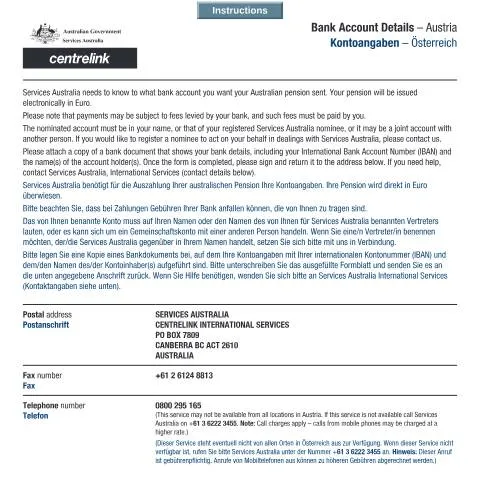
Filing the International Bank Account Form (AUS178) is a critical step for individuals receiving payments from Services Australia while living overseas. This form is designed to facilitate the payment process, ensuring that funds are transmitted securely and efficiently to foreign bank accounts. Notably, this process applies to various groups, including expatriates, pensioners, and social security recipients who require access to their funds while residing outside Australia.
Who Should Submit the International Bank Account Form
This form is particularly relevant for several categories of individuals:
- Australian Citizens: Those who have moved abroad and are still eligible for Australian government payments.
- Permanent Residents: Individuals who have settled in another country but continue to receive payments from Australia.
- Temporary Residents: In some cases, individuals on temporary visas may also need to submit this form to access specific services from Services Australia.
It is essential for applicants to assess their status and determine whether they fit into one of these categories. Additionally, those who have complex situations, such as dual citizenship or multiple residencies, might have different requirements regarding the submission of this form.
A Deep Dive into the Form: Sections to Complete
While filling out the International Bank Account Form, the following sections must be meticulously completed:
Personal Details
This section requires the applicant's full name, address, and contact information. It's crucial to provide up-to-date details to avoid communication issues. Pay particular attention to:
- Ensuring your name matches official documents.
- Using the correct address format according to the country of residence.
Bank Account Information
In this segment, you will detail your overseas bank account. The following points must be carefully addressed:
- Account Holder's Name: Ensure it corresponds to the name listed in the Personal Details section.
- Bank Name and Address: Accurately provide the bank's location, including country and postal code.
- Account Number and SWIFT/BIC: Double-check these codes as errors can lead to delays or misdirected payments.
Payment Details
This section outlines how you wish to receive payments. You may be required to specify:
- The payment frequency (e.g., weekly, fortnightly, monthly).
- Your intended use of the funds, which can help Services Australia understand your needs better.
Declaration and Signature
Finally, you will affirm that the information provided is accurate. Be aware that submitting false information can have serious consequences, including penalties or the suspension of payments.
Navigating the Submission Process
Submitting the International Bank Account Form typically involves the following steps:
Digital Submission via myGov
Most individuals are encouraged to submit their form online through their myGov account. This method is generally faster and more efficient.
Mail Submission
If online submission is not possible, applicants can print the completed form and mail it to Services Australia. Ensure that you use the correct postal address, which can be found on the official website.
Timeline of the Process
Understanding the timeframe associated with this form is vital for effective financial planning:
Processing Times
After submission, processing times may vary. Generally, you can expect an initial response within several weeks. However, this duration can be extended if additional information is required.
Payments Commencement
Once approved, payments should commence according to the specified frequency. It’s wise to keep track of your payment dates, as any delays might impact your financial situation.
What to Do If Your Application is Refused or Requires Correction
If your form is declined or you realize there are errors, here are the steps you should take:
Receiving the Decision
Upon receiving a decision from Services Australia, carefully read the reasons for any refusal. This documentation will guide you on potential next steps.
Correction Process
If you need to amend your application:
- You may need to resubmit the entire form with corrections.
- Include any additional information or documentation that may support your case.
Be proactive in addressing issues promptly to avoid disruptions in your payment schedule.
Implications of Submitting the International Bank Account Form
The submission of this form can have several positive implications for individuals living abroad:
Access to Funds
Success in submitting this form ensures that you continue to receive necessary financial support while managing your life overseas.
Obligations and Responsibilities
Upon filing, you have the responsibility to keep your details updated, particularly if there are changes to your overseas bank account or contact information.
Unique Situations and Considerations
Some cases may require additional attention:
Children and Dependents
If you are submitting on behalf of a minor or dependent:
- Ensure that you provide legal documentation proving guardianship or responsibility.
- Consider any specific requirements for minors that may differ from adult submissions.
Emergency Situations
For those in urgent need of funds:
- Contact Services Australia directly for guidance on expedited processing options.
- Keep documentation ready that supports your need for urgency, which may include medical or employment-related papers.
International Transfers and Exchange Rates
Be aware that exchange rates can fluctuate. It’s beneficial to understand how these rates can impact the amount you receive in your local currency. Consider consulting with your bank regarding the best practices for international payments.
Regulatory Framework Behind the International Bank Account Form
This form operates within a well-established legal framework, primarily governed by the provisions within the Social Security Act and relevant regulations. The Administrative Decisions (Judicial Review) Act 1977 also plays a pivotal role in ensuring that applicants have the right to seek reviews if they feel a decision adversely affects them.
A Chronological Walkthrough of the Process
From the moment you decide to file this form until you receive your first payment, here’s a breakdown of the key steps involved:
- Assess Your Eligibility: Ensure you meet the criteria for submitting the International Bank Account Form.
- Gather Required Information: Collect all necessary details regarding your personal information and bank account.
- Complete the Form: Fill out the form carefully, paying attention to each section.
- Submit Your Application: Either online through myGov or by mailing it to Services Australia.
- Receive Confirmation: Wait for confirmation of your application processing status.
- Start Receiving Payments: Once approved, payments commence based on your specified preferences.
By navigating this process with a clear understanding of your responsibilities and the implications at play, you can ensure a smoother transition to receiving your funds while residing abroad. Always keep abreast of any changes to policies that may affect your ongoing eligibility or payment structure.
Understanding the Requirements for Opening an International Bank Account in Australia
Opening an international bank account in Australia comes with its own set of requirements and considerations. Different banks may have varying policies, but there are several common requirements that you can expect across the board.
Proof of Identity: You will need to provide valid identification, typically a passport, and, depending on the bank's policy, a secondary form of ID may also be necessary, such as a driver's license. It’s crucial that the identification documents are not expired and are issued by official authorities.
Proof of Address: Banks will require documentation that verifies your residential address. Acceptable documents usually include utility bills, bank statements, or official government correspondence featuring your name and address. Most banks will require documents to be recent, often within the last three months.
Tax File Number (TFN): While not always mandatory, providing your Tax File Number can simplify tax-related issues, especially if you plan to earn interest on your account. Non-residents may not have a TFN, but some banks might require a declaration regarding your tax residency status.
Initial Deposit: Many banks have an initial deposit requirement to open an international account, which can vary widely depending on the bank and type of account. Be sure to check this beforehand to avoid any surprises.
Visa or Residency Status: If you are not a citizen or permanent resident of Australia, you may need to provide documentation related to your visa status. Some banks may have specific accounts designed for non-residents, while others may have restrictions in place.
Source of Funds: Banks might inquire about the source of the funds you plan to deposit into the account. This is particularly important for anti-money laundering compliance. Be prepared to provide documentation that explains the origin of the funds you wish to transfer or deposit.
Common Challenges When Opening an International Bank Account in Australia
Navigating the process of opening an international bank account in Australia can come with its challenges. Understanding these potential pitfalls can help you prepare adequately and avoid unnecessary delays.
Language Barriers: For non-English speakers, communication can be a significant hurdle. While major banks often have resources and customer service in multiple languages, not all branches may offer this service. It is advisable to inquire beforehand if language support is available, or consider bringing a translator.
Understanding Fees and Charges: International bank accounts often come with various fees, including monthly maintenance fees, transaction fees, and currency conversion fees. These costs can add up, so it’s essential to have a clear understanding of the fee structure before committing to an account. Always ask for a detailed breakdown of fees and any conditions that might apply.
Time Zone Differences: If you are managing your account from abroad, the Australian banking hours may not align well with your local time zone. This can complicate communication and transaction processing, especially if you need immediate assistance or are dealing with time-sensitive transactions.
Regulatory Changes: Australia’s banking regulations can change, and this can affect how banks operate, especially concerning foreign account holders. Keeping abreast of any changes in banking legislation, especially concerning tax implications for international accounts, can save you from future complications.
Currency Fluctuations: If you intend to use your international account for currency conversion, be aware of the potential impact of currency fluctuations on your transactions. Monitoring exchange rates and understanding the bank's policies on currency conversion can help you make informed decisions about your finances.
Managing Your International Bank Account from Abroad
Once you have successfully opened your international bank account, managing it from abroad can present its own set of challenges and strategies to ensure you remain in control of your finances.
Online Banking: Most banks in Australia offer robust online banking services. Setting up online banking allows you to monitor your account balance, initiate transfers, and pay bills from anywhere in the world. Familiarize yourself with the bank’s online platform and download any necessary mobile applications to manage your account efficiently.
International Transfers: International wire transfers can often come with significant fees and delays. If you regularly need to transfer funds between countries, look into the bank’s policies regarding international transfers. Additionally, consider exploring online transfer services that may offer lower fees and faster processing times.
Stay Informed About Bank Policies: Regularly check for any updates to your bank’s policies or fees concerning international accounts. This will help you avoid unexpected charges and ensure compliance with any new regulations or requirements.
Customer Support: If you encounter issues while managing your account from overseas, it’s important to know how to reach customer support efficiently. Save contact details for your bank’s international customer service and ensure you understand the best times to reach them considering the time zone differences.
Reporting Requirements: If you are a tax resident in another country, be aware of any reporting requirements concerning your Australian bank account. This may include reporting foreign bank accounts to your local tax authority. Consult with a tax professional who understands both Australian and international tax laws to ensure compliance.
By equipping yourself with the necessary knowledge and tools, you can navigate the process of opening and managing your international bank account in Australia successfully.